How to interview older relatives
How to prepare for interviewing older relatives, which open questions bring out stories, and how to turn a conversation into leads you can check in records.
Records tell you when someone was born and where they lived. Relatives tell you what it was like. A conversation with an older family member can explain a move, name a sibling who never appeared in a census, or put a face to a name on a certificate. A little preparation makes interviewing older relatives easier for everyone involved.
Before you interview an older relative
Ask first, and explain why you are interested. Some people love to talk about the past; others find certain memories painful. Let them choose the time and place, and agree on how long you will talk. An hour is usually plenty for a first session.
- Bring a printed chart of the family as you know it so far.
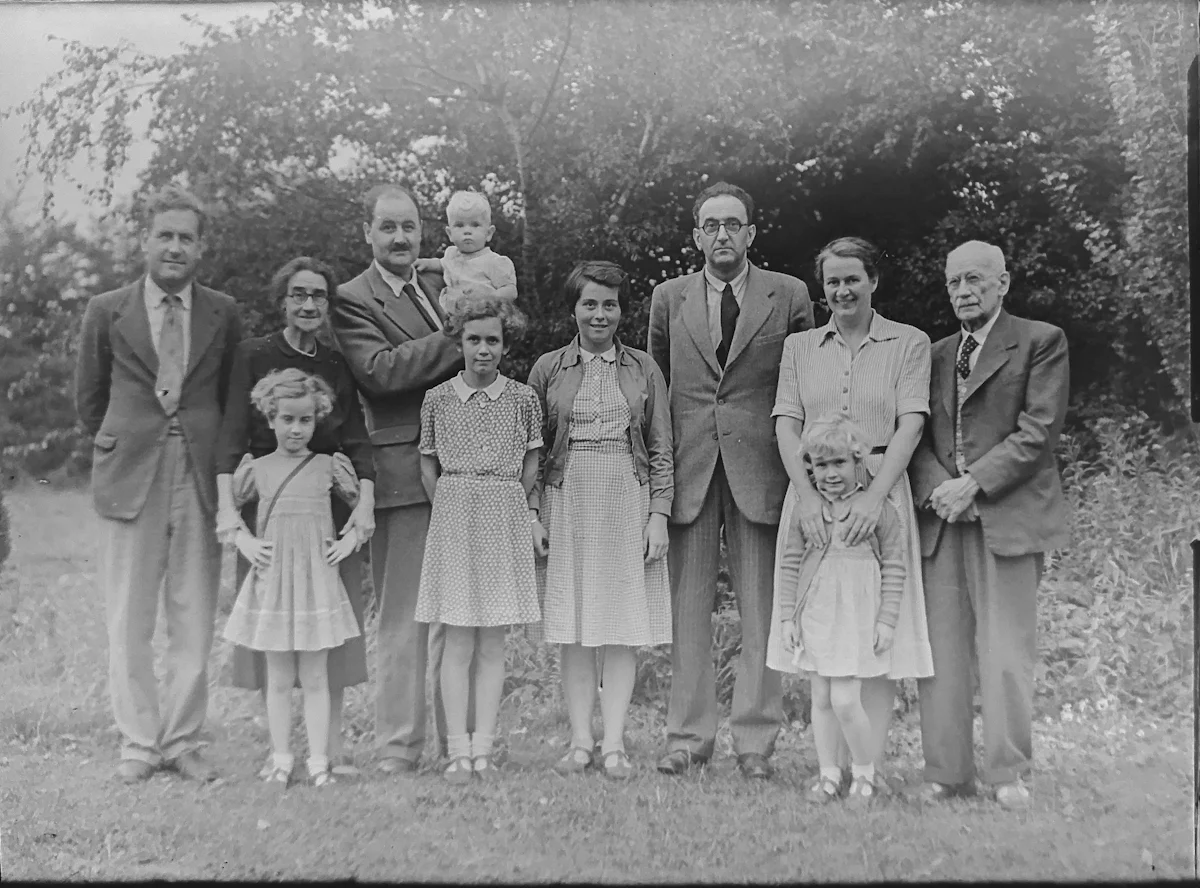
- Bring a few photographs; pictures prompt memories that questions alone do not.
- Ask permission before recording, and explain who will hear or read it.
- Charge your phone or recorder and test it in a quiet room.
Questions that open things up
Open questions invite stories, while questions that can be answered with "yes" or "no" tend to shut a conversation down. Start with easy, cheerful topics and move to harder ones later, if at all.
Early life
- Where did you grow up, and what was the house like?
- Who lived with you when you were small?
- What did your parents do for work?
Family and names
- What do you remember about your grandparents?
- Were there aunts, uncles or cousins you saw often?
- Did anyone in the family change their name, or use a nickname?
Places and moves
- Why did the family move to this town?
- Did anyone emigrate, or come from another country?
- Where are family members buried?
Objects and papers
- Is there a family Bible, a box of letters or an old album somewhere?
- Who might have kept papers after a funeral?
During the conversation
- Listen more than you speak, and allow silences; memories often surface after a pause.
- Follow interesting threads instead of sticking rigidly to your list.
- Ask for spellings of names and places as they come up.
- Pin down approximate dates by linking them to events: "Was that before or after the war?"
- Stop when your relative seems tired, and offer to come back another day.
Handling sensitive topics
Family stories can touch on illness, separation, adoption or loss. Let your relative decide how much to share, and do not press for details. If something is told in confidence, keep it that way, even if it would help your research.
After the conversation
Write up your notes the same day while the details are fresh. Label recordings with the date, place and names of everyone present. Then treat each story as a lead to check: memories are worth recording, but dates and names can shift over the years. A record that agrees with the story strengthens it, and one that disagrees gives you a reason for a gentle follow-up question.
A quick checklist
- Permission asked for the talk and the recording.
- Chart and photographs brought along.
- Spellings of names and places noted.
- Notes written up and recording labelled the same day.
- Each story listed as a lead to confirm in records.
Where to go next
Add the new names and places to your tree with the interview as the source, then look for documents that confirm them. If your relative named people in old pictures, record those names straight away using the steps in scanning and labelling old family photos. Some relatives may also be willing to take a DNA test, which can reach branches their memories do not. Services such as MyHeritage offer testing kits, but talk through privacy and consent with them first; the homepage section on privacy, consent and unexpected results lists what to check.