Start a family tree in one evening
Write down three generations, gather the papers in your drawers and set one research question: a calm first evening that gives a new family tree solid footing.
Most family trees begin with a burst of enthusiasm and a browser full of tabs. A slower first evening, spent writing down what you already know, gives every later search something solid to start from. This checklist covers that first session, from the papers in your own drawers to the note-taking habits that keep a family tree tidy as it grows.
Start your family tree with yourself and work backwards
Genealogy runs from the known to the unknown. Begin with your own full name, date and place of birth, then add your parents, then your grandparents. Leave the famous surname or the distant immigrant ancestor for later. Each generation you confirm becomes the evidence for the one before it.
- Write full names, including middle names and maiden names.
- Record dates as day, month and year (for example 4 March 1931) so nobody confuses the formats.
- Give places in full: town, county or district, and the country as it was named at the time.
- Put a question mark next to anything you are unsure of instead of leaving it out.
Gather the documents already in the house
Before searching online, look through the papers your family has kept. Many households hold more than they realise, and these items often carry details that no index records.
Where to look
- Birth, marriage and death certificates, plus funeral cards and order-of-service booklets.
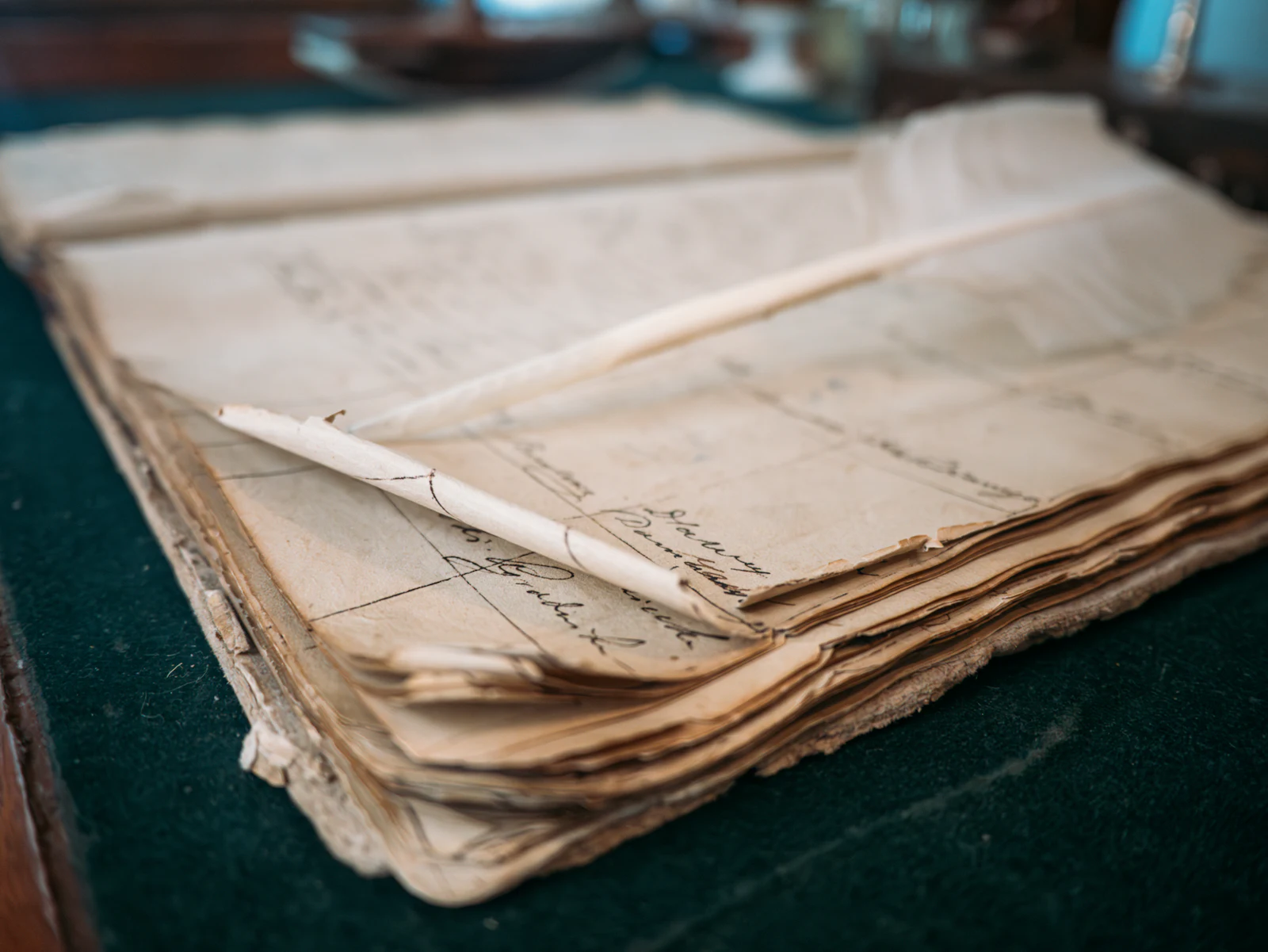
- Family Bibles, which sometimes list births and marriages on the flyleaf.
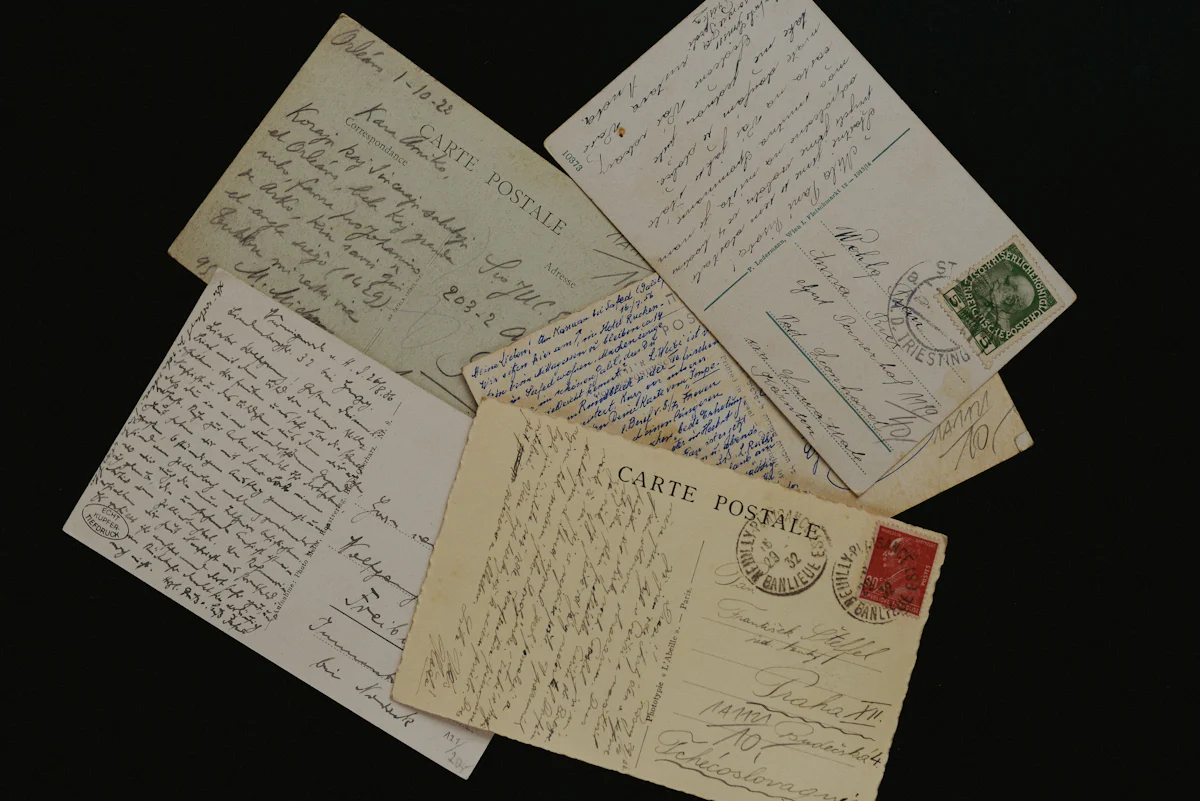
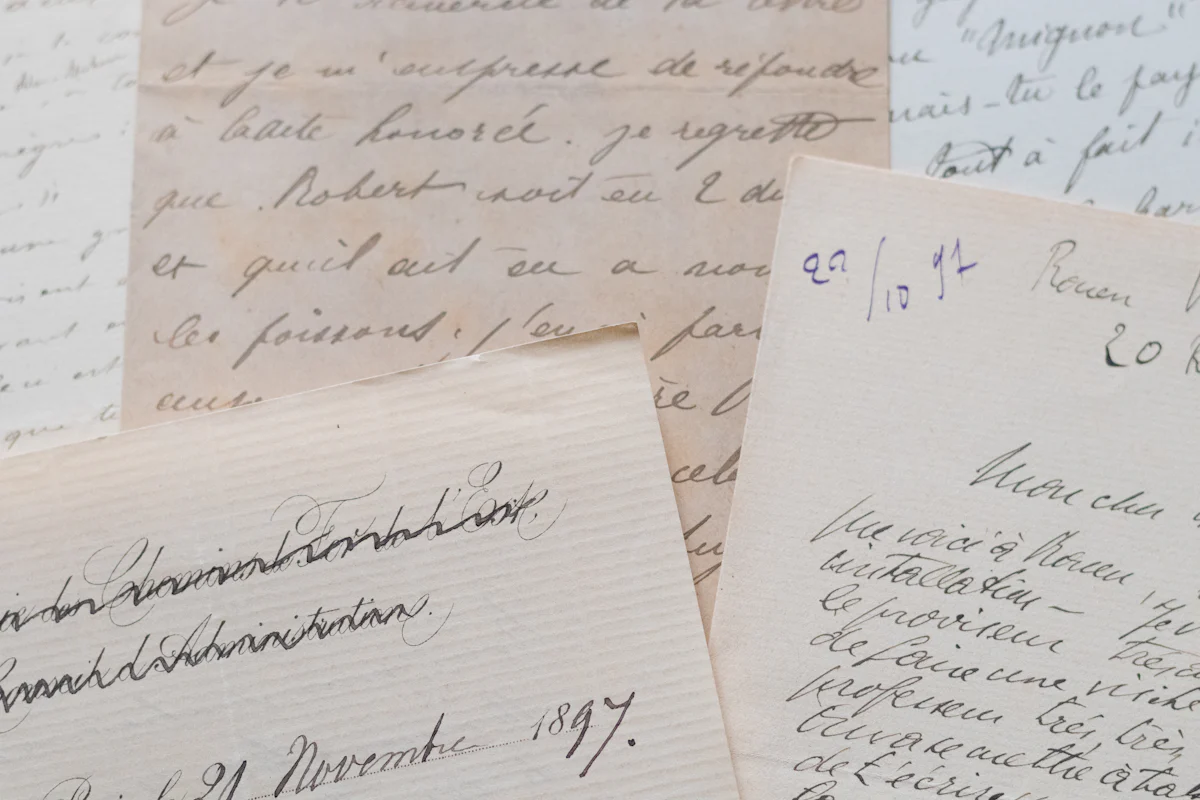
- Letters, postcards and greetings cards with addresses and signatures.
- School reports, apprenticeship papers, military discharge papers and union cards.
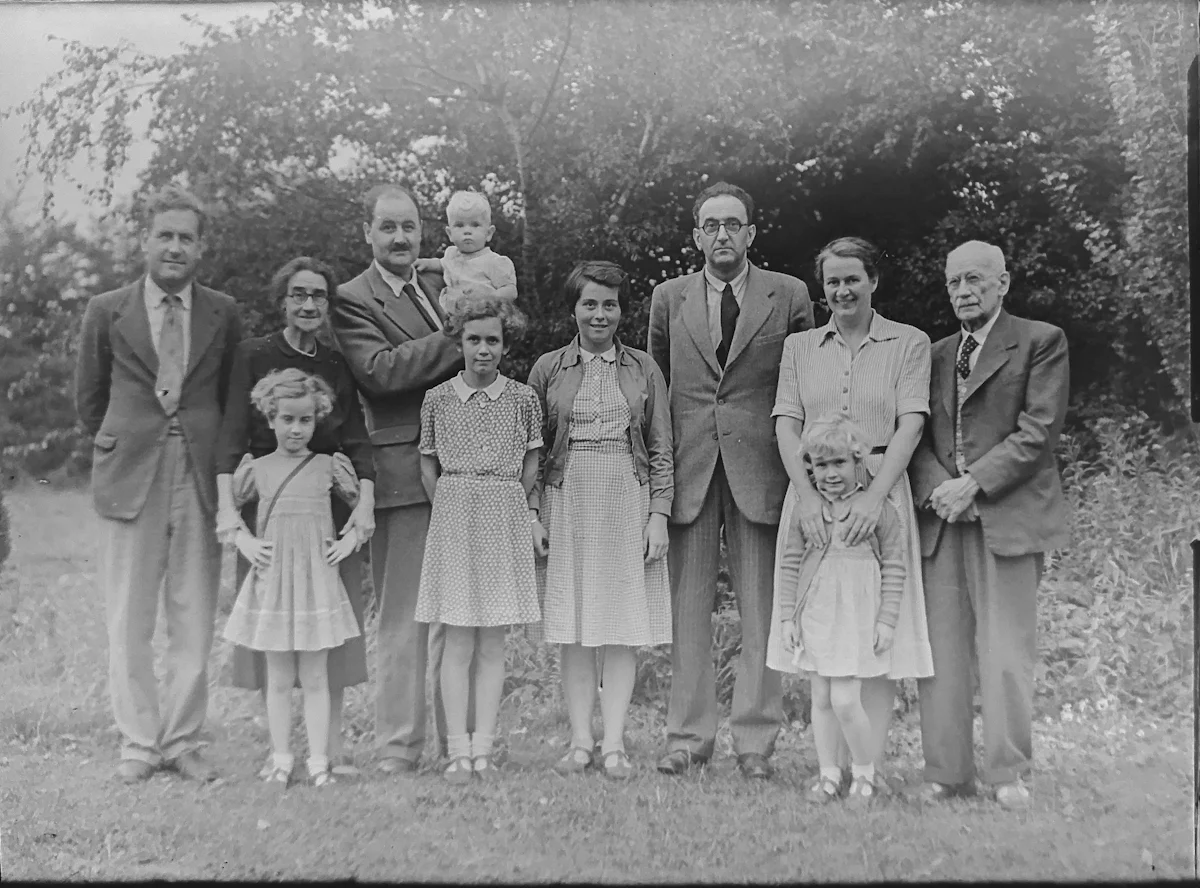
- Photographs with writing on the back, even if it is only a first name or a year.
Photograph or scan each item as you find it, and note who owns the original and where it is kept.
Choose where your tree will live
You can keep a tree on paper, in a desktop program or on an online platform. Any of them works, as long as you keep one main copy so facts do not drift between versions.
- Paper charts are easy to pass around at family gatherings but hard to update.
- Desktop programs keep the data on your own computer and usually export to the standard GEDCOM format.
- Online trees make it simple to work with relatives and to see record hints. Check the privacy settings before adding living people.
Attach a source to every fact
A tree stays reliable when every fact has a citation. For each one, note where it came from: "Birth certificate, held by Aunt Margaret" or "1921 census, household schedule, page 3". When two sources disagree later, you will know which one to weigh more heavily.
A simple source note includes
- What the document is.
- Who created it and when.
- Where you saw it (archive, website, family collection).
- Any reference number or page.
Set one research question
Finish the evening by writing down one specific question, such as "Who were the parents of my great-grandmother Ellen Hughes, born about 1880 in Liverpool?" With a question like that, the next session has a target and the search does not scatter across every branch at once.
A quick checklist
- Three generations written down with dates and places.
- Household documents photographed and labelled.
- One main home chosen for the tree.
- A source note for each fact.
- One research question for next time.
Where to go next
Once the first three generations are in place, the usual next steps are civil registration indexes and census returns, which many national archives offer free of charge. Our guide to reading a census return column by column explains what each entry can tell you, and interviewing older relatives often fills gaps the papers leave. Some people also add a DNA test at this stage to find relatives on lines with no paper trail; the homepage section on how a consumer DNA test works covers what it can and cannot show. Platforms such as MyHeritage combine online trees, record collections and DNA matching in one account, and the groundwork above is the same whichever service you use.